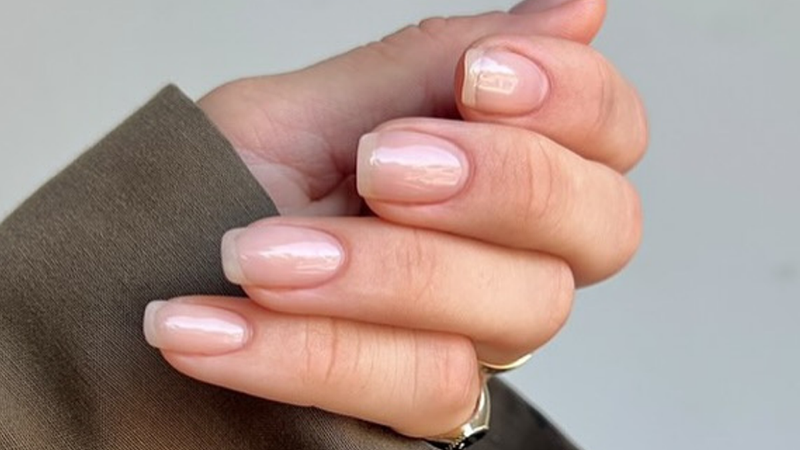
Nail care is surrounded by half‑truths, old wives‘ tales, and well‑intentioned but inaccurate advice. From the safety of UV lamps to whether nails actually “breathe,” separating fact from fiction is essential for keeping your nails strong and healthy. Here’s a clear, science‑based look at the most common misconceptions—and what you should do instead.
Does Nail Care Come with Health Risks?
Like any cosmetic procedure, nail care carries some risks—but they are largely preventable with proper hygiene and technique. The greatest dangers come from unsanitary tools and aggressive practices. Sharing nail files, clippers, or cuticle nippers without proper sterilisation can spread bacterial and fungal infections. Using dirty implements in a salon has been linked to conditions such as paronychia (an infection of the nail fold) and stubborn fungal infections.
Over‑trimming cuticles is another common risk. The cuticle acts as a waterproof seal that protects the nail matrix from bacteria and moisture. Cutting it too deeply can compromise this barrier and pave the way for infection. In extreme cases, poorly executed nail services can even lead to permanent nail deformities.
The key takeaway? Nail care is not inherently dangerous, but it demands clean tools, skilled hands, and respect for the natural nail structure.
Are UV Nail Lamps Harmful to Your Skin?
The curing lamps used for gel manicures emit UVA radiation, which is the same type of light linked to skin ageing and DNA damage. However, the exposure from a typical manicure is relatively low. A 2013 study found that the UV dose from a single gel manicure session is approximately equivalent to 2–6 minutes of sun exposure at midday. The risk is not zero, but it is small—especially if you take simple precautions.
To minimise exposure, apply a broad‑spectrum sunscreen to your hands at least 20 minutes before curing, or wear UV‑protective fingerless gloves. It is also wise to limit prolonged and frequent UV lamp sessions. The occasional gel manicure for a special occasion carries minimal risk, but weekly sessions over many years may add up.
Does Gel Polish Prevent Nails from “Breathing”?
No. The nail plate is made of keratinised cells that are no longer living. It does not absorb oxygen or “breathe” like skin does. The living part of the nail—the matrix—lies beneath the cuticle, and it receives oxygen and nutrients through your bloodstream, not through the nail surface.
That said, constantly wearing polish without breaks can lead to other issues. The removal process—particularly acetone soaking and filing—can dehydrate the nail plate, making it brittle and prone to peeling. While gel polish does not suffocate your nails, giving them a few days of bare, oiled rest between sets helps them rehydrate and recover.
What Causes Brittle Nails and What Can You Do About It?
Brittle nails that split, peel, or break easily are one of the most common nail complaints. The leading cause is repeated exposure to water and drying agents—frequent handwashing, dishwashing without gloves, and alcohol‑based sanitisers strip the nail plate of its natural oils.
External factors also play a significant role. Acetone‑based polish removers, harsh cleaning chemicals, and aggressive filing all damage the protective lipid layer that holds nail layers together. In some cases, underlying issues such as iron deficiency, hypothyroidism, or low biotin levels can contribute.
The good news is that most cases improve with consistent care. Reduce water exposure by wearing rubber gloves for chores. Apply cuticle oil (jojoba or vitamin E) daily to restore flexibility. Use a nail strengthener sparingly—over‑use can actually make nails more brittle. If problems persist, consult a doctor to rule out medical causes.
Are False Nails Only for Damaged Nails?
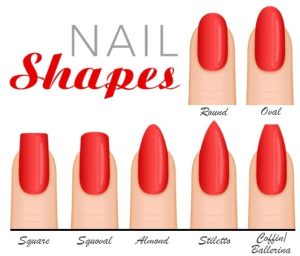
Absolutely not. While artificial nails are often used to disguise damaged or short nails, they are also a popular fashion choice for people with perfectly healthy nails. Acrylics, gels, and press‑ons offer length, shape, and design possibilities that natural nails may not support.
However, artificial nails require careful maintenance. Wearing them continuously without breaks can weaken the underlying nail plate. The danger is not the enhancements themselves, but the removal process—peeling them off or aggressive filing can cause permanent thinning. The healthiest approach is to wear enhancements for special occasions and give your natural nails time to recover between sets.
How Can You Maintain Healthy Nails?
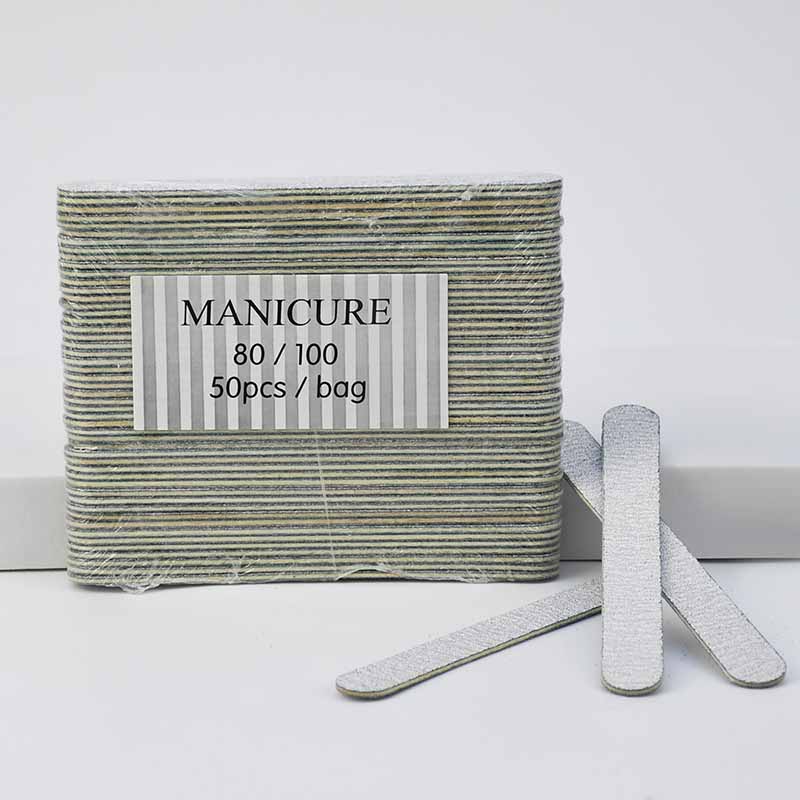
Healthy nails start with good habits. Keep your nails clean and dry, but moisturise the surrounding skin daily. Use a fine-grit file and file in one direction to avoid creating micro‑tears that lead to peeling. Keep nails trimmed to prevent snagging, and never use them as tools—opening cans or peeling stickers puts lateral stress on the nail plate.
Nutrition also matters. Nails are made of keratin, a protein, so a balanced diet rich in protein, iron, zinc, and B vitamins supports strong growth. If your nails are persistently weak, a biotin supplement may help, but consult a healthcare provider first.
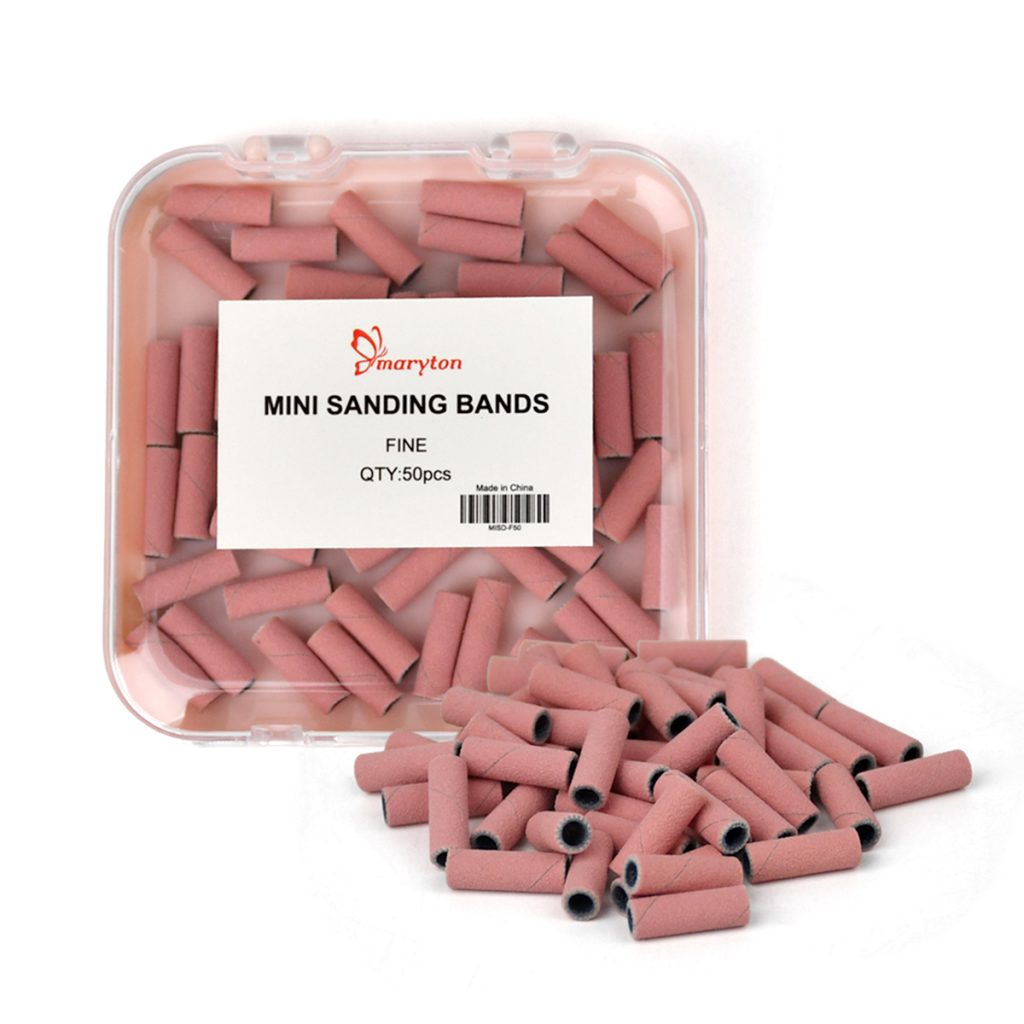
Hygiene is paramount. Disinfect your nail tools regularly and never share them. Choose salons that use single‑use sanding bands and sterilised metal implements. And listen to your nails—changes in colour, thickness, or texture can be early clues to systemic health issues.
The Bottom Line
Most nail care concerns are manageable with the right knowledge and habits. UV lamps carry low but real risk; gel polish doesn’t suffocate nails; brittle nails are usually caused by external factors; and false nails are for everyone, not just the damaged. The key is balance: enjoy beautiful nails, but treat them with care, respect their biology, and always prioritise hygiene.
Read also: Pink French Manicure: Elegant DIY Tips and Lasting Care